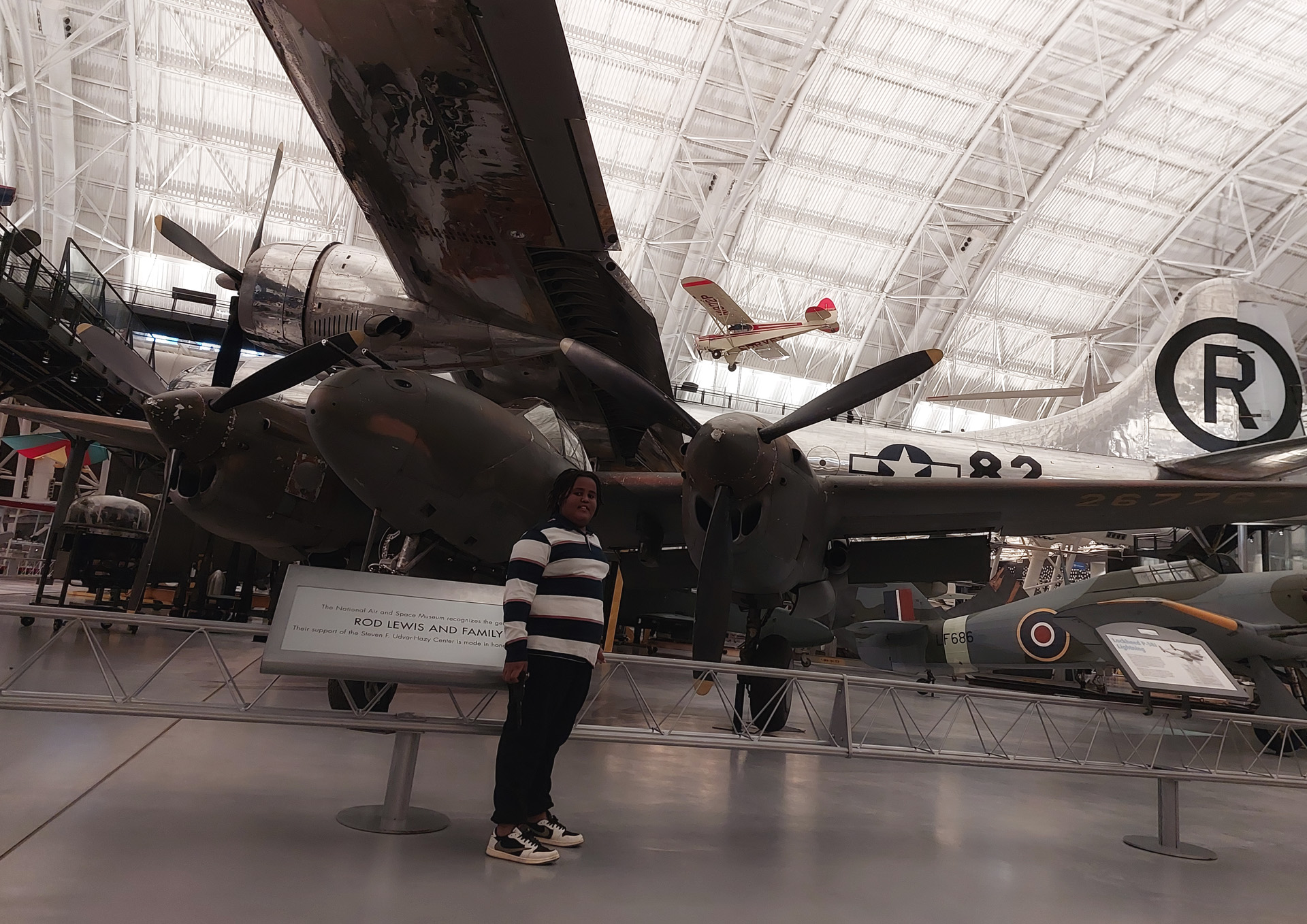
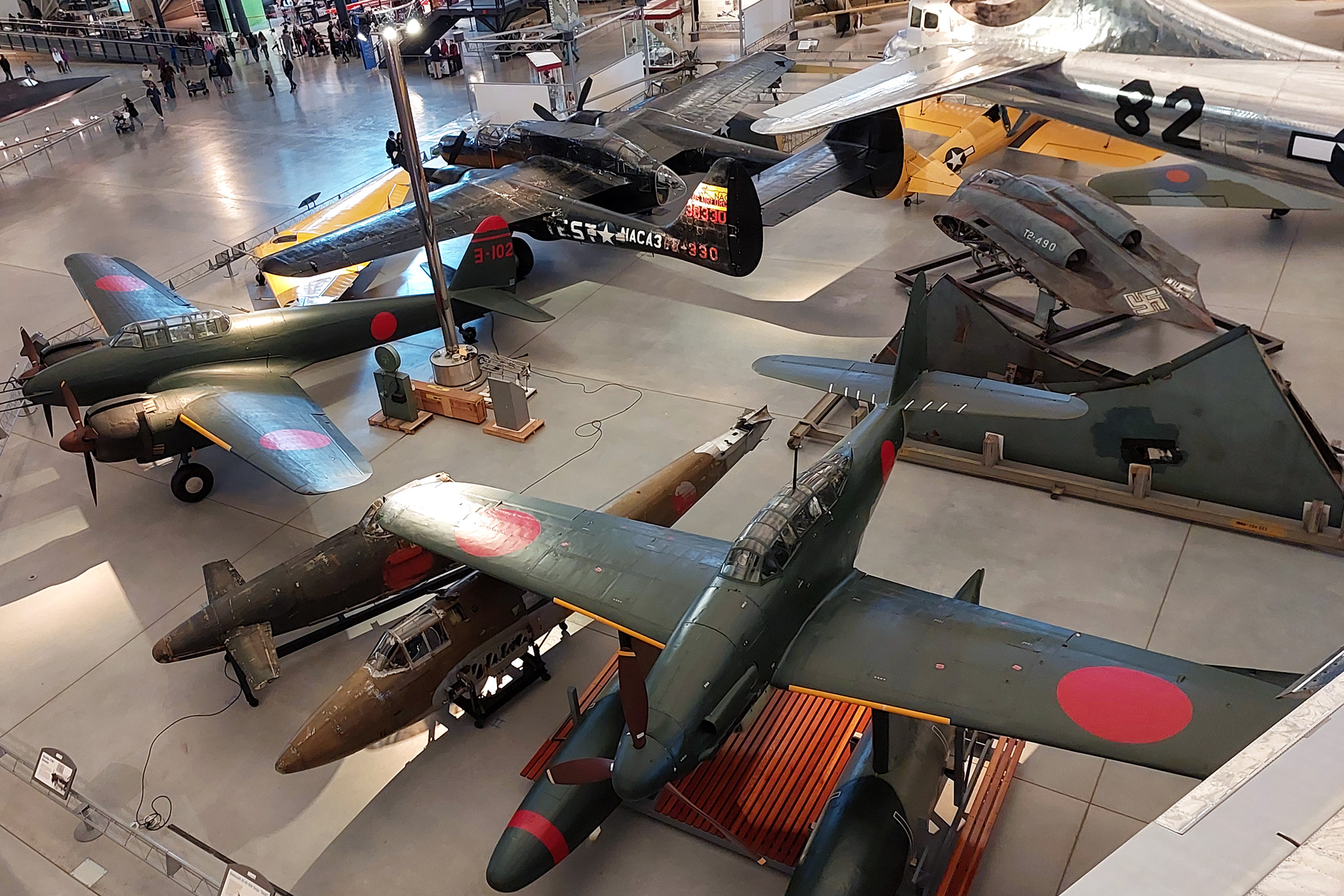
The moment I walked in, I felt like I’d stepped into another world. Back in Kampala, planes are things you watch disappear into the clouds. Here, I was standing face-to-face with the aircraft that changed history.
The museum is filled with war aircraft, fighter jets, early designs, and stealth technology, all hanging above you like time frozen in motion. Seeing the evolution of aviation up close, from propellers to jets to spacecraft, was honestly an out-of-body experience. It made everything I had read about suddenly feel real.
/ Standing with Legends
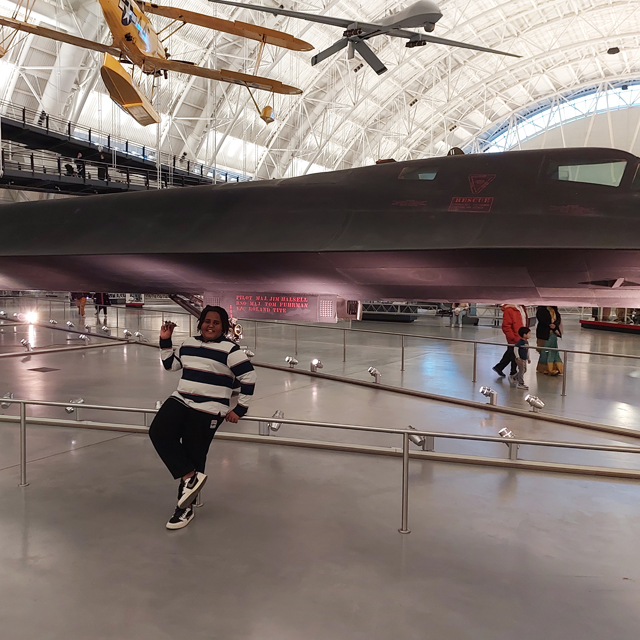
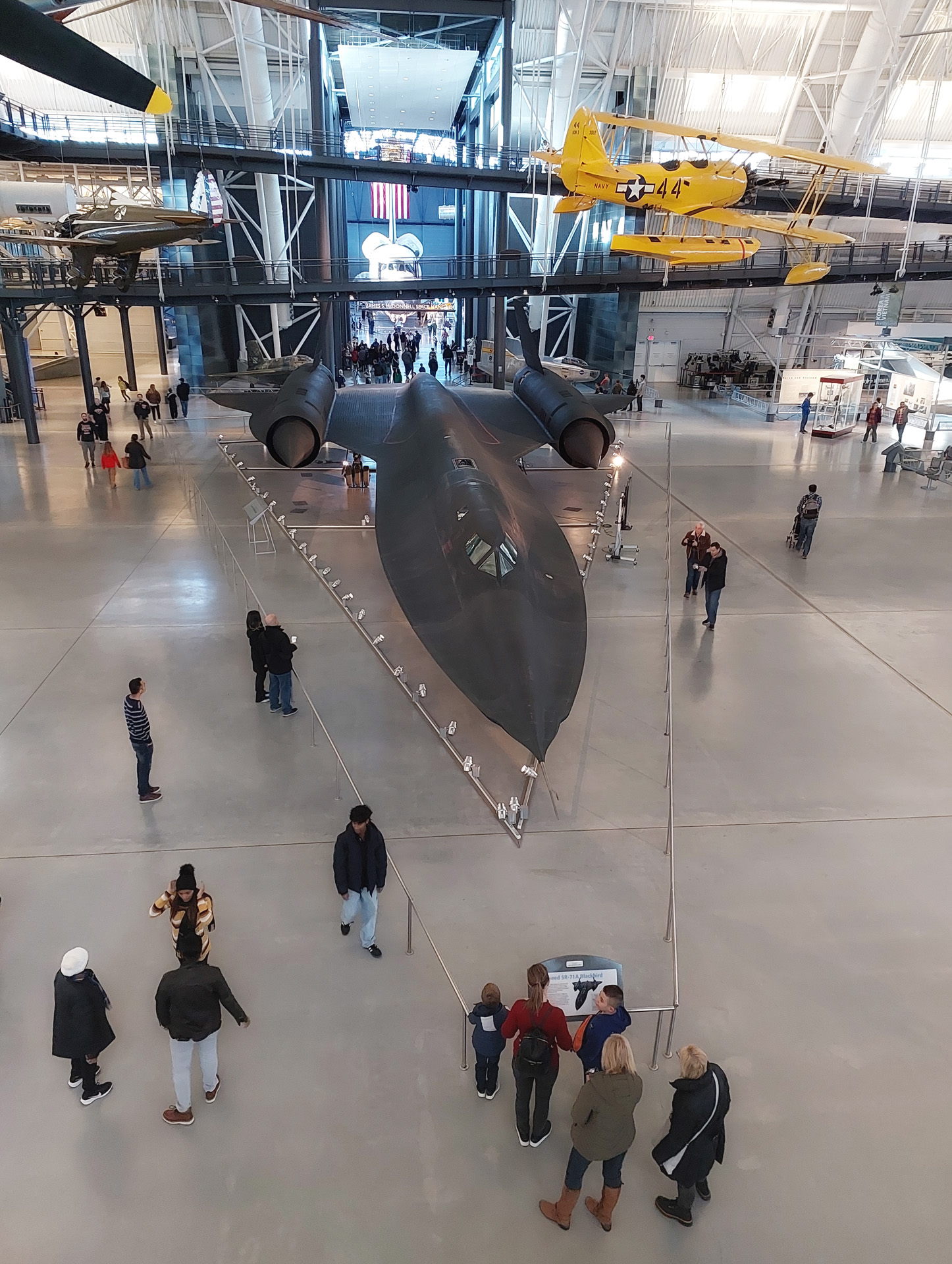
One of the most unforgettable moments was standing beneath the SR-71 Blackbird. It’s fast, sleek, and almost unreal — like something from a sci-fi movie. This aircraft broke records and redefined what engineers believed was possible. Looking at it, I couldn’t stop thinking about the courage it took to build something so far ahead of its time.
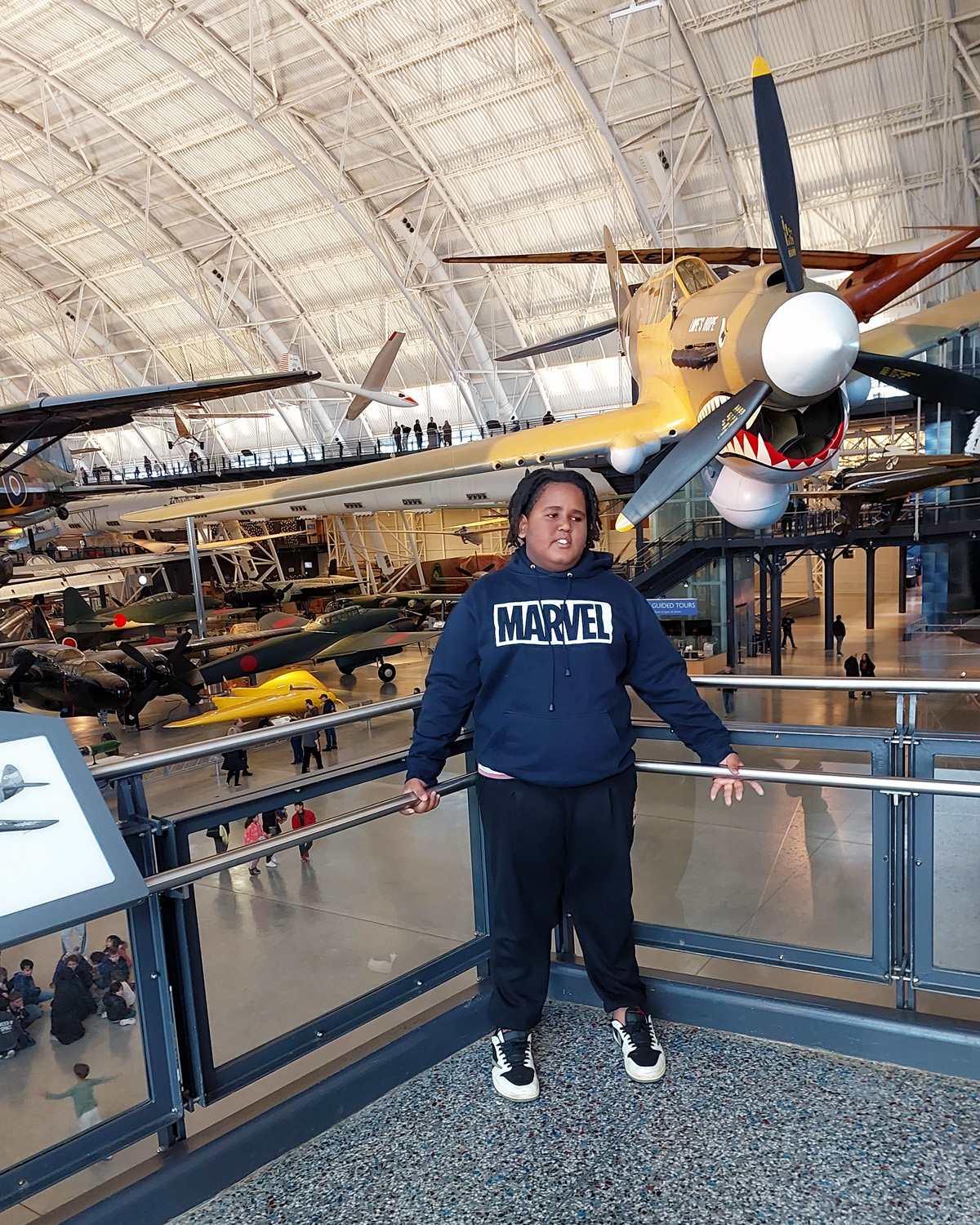
Nearby, I saw the Horten Ho 229, a flying wing that looks like it belongs in the future, even though it was designed during World War II. I also spent time studying the P-40 Warhawk, a fighter plane that played a huge role in history. Seeing these aircraft in real life gave me a new respect for the engineers and pilots who pushed boundaries when no one knew if it would work.
/ Dreams Powered by Engines
What I loved most about the Smithsonian is that every plane tells a story of people who refused to give up. Walking through the galleries, I felt like the past was speaking directly to me, saying, keep building, keep dreaming.
From the Wright brothers’ first flight to the rockets that carried humans to the moon, the museum proves that if you can imagine it, you can build it, and if you can build it, you can change the world.